 Admin
Admin 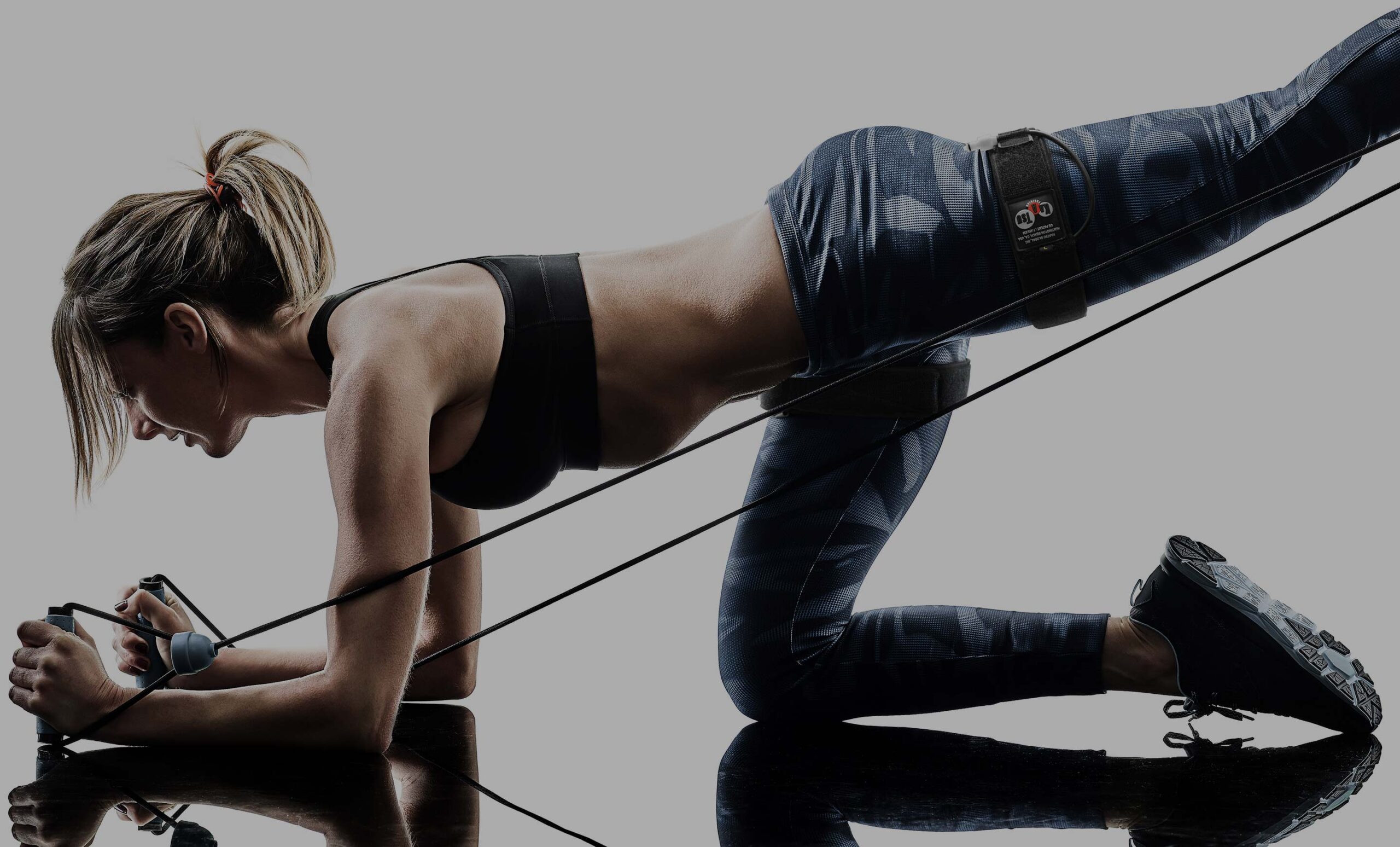
Increasing muscle mass does not always require carrying heavy weights. In recent years, the occlusion training has gained popularity as an effective technique to achieve hypertrophy using lighter loads.
This method, also known as “blood flow restriction training,” consists of partially restricting blood flow to the muscles for certain periods. advanced exercises. The result is a physiological response that stimulates muscle growth, even with less effort than traditional.
If you are looking to vary your routine and maximize your results, this technique can be an excellent alternative.
What is occlusion training?
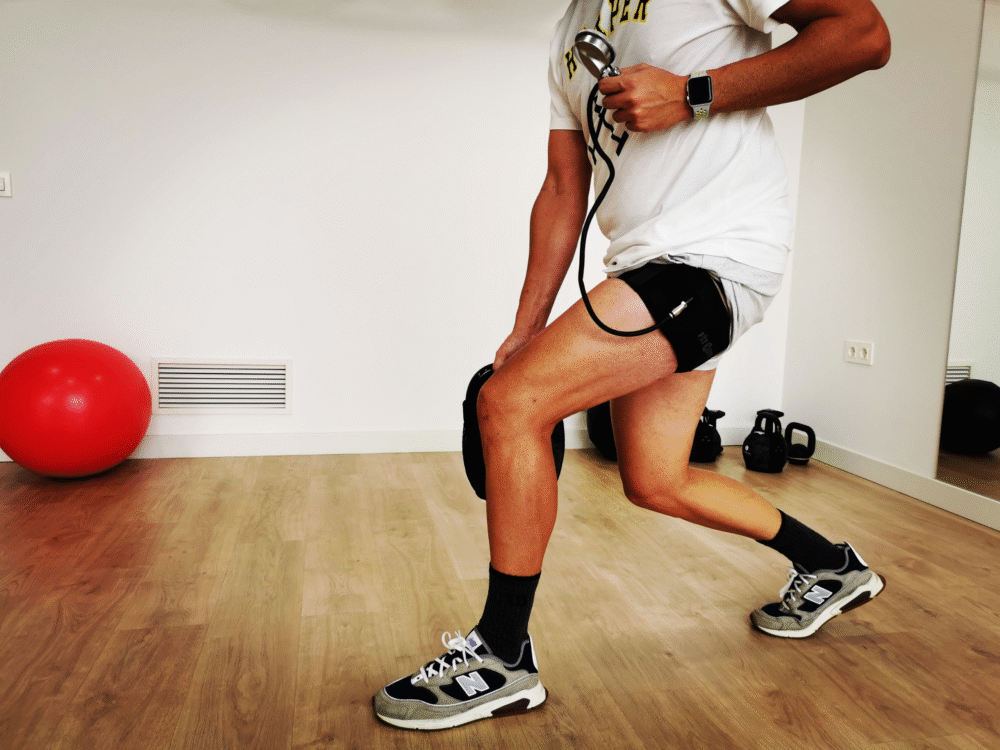
He occlusion training It is a technique that limits venous return from the muscle without affecting arterial flow. This is achieved using restriction bands or elastic bandages placed on the upper or lower extremities.
The idea is to make advanced exercises with light weights (between 20% and 40% of your maximum load), while maintaining the restriction. This environment causes an accumulation of metabolites that favors the activation of fast muscle fibers.
The ultimate goal is to stimulate the hypertrophy safely and effectively, with a lower risk of overload or injury.
How does occlusion training work?
During this type of training, venous flow is partially interrupted, creating a metabolically stressful environment for the muscle. This situation causes:
- Increased production of anabolic hormones.
- Activation of type II muscle fibers, which are the most prone to hypertrophy.
- Greater metabolic stress with less weight.
Together, these factors make the muscles work harder without the need to lift heavy loads.
Benefits of occlusion training
Promotes hypertrophy with little weight
One of the most valued benefits is that it allows you to gain muscle mass with light loads. This is ideal for people in rehabilitation or who cannot train at high intensity.
Reduces risk of injury
The use of low weights reduces pressure on joints and connective tissues. Therefore, it is a useful technique for those who want to take care of their joints without giving up muscle growth.
Improves muscle strength
Although the main focus is hypertrophystrength gains are also seen, especially in muscles that are frequently trained under occlusion.
Increase training efficiency
With the occlusion trainingyou can get results similar to traditional training in less time. This is useful if you have little space or resources to train.
How to correctly apply occlusion training?
Use the appropriate restraint bands
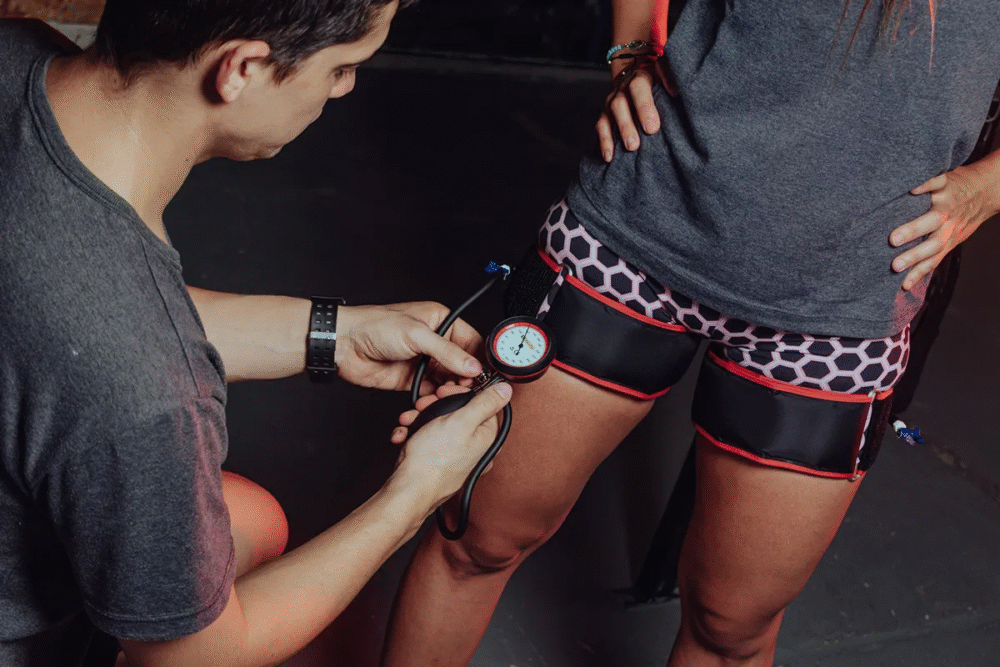
It is important to use restriction bands specific for this method. These bands must allow the pressure to be regulated safely. It is not recommended to use improvised items, such as belts or bandages that are too tight.
Location of the bands
The bands should be placed on the upper part of the arms to work the upper body, or on the upper part of the thighs to work the lower body. They should never be used on other areas of the body.
Proper pressure
The pressure should be firm, but not causing pain or numbness. A general rule of thumb is to set the bands to a 7 out of 10 compression level.
Choice of advanced exercises
Although simple exercises can be used, many prefer to integrate this technique into advanced exercises such as squats, bench press or biceps curls. Choose movements that you already master to ensure correct execution.
Is occlusion training for everyone?
This type of training is safe when applied correctly. However, it is not recommended for people with circulatory problems, uncontrolled hypertension or a history of thrombosis.
If you have questions, consult a health professional before starting. You can also count on the advice of a specialized trainer who knows the technique.
Tips for getting started with occlusion training
Start with short sessions
Perform 2 to 3 sets per exercise and limit the duration of the session. Do not wear the bands for more than 20 continuous minutes.
Maintain good hydration
The metabolic environment generated can increase the feeling of fatigue. Drinking water before and after training is key.
Do not combine with heavy loads
The goal is to work with low weights. Avoid combining this technique with your traditional strength training in the same session.
He occlusion training It is a useful tool for those seeking to stimulate hypertrophy without the need to lift large loads. Wearing restriction bands and applying this technique in advanced exercisesit is possible to achieve effective and safe results.
Although it does not replace conventional training, it can be an excellent complement to improve your muscle progress. As always, the key is in correct application, active listening to the body and consistency.
If you are looking for a different way to challenge your muscles, the occlusion training It could be an excellent option for you.