 Admin
Admin 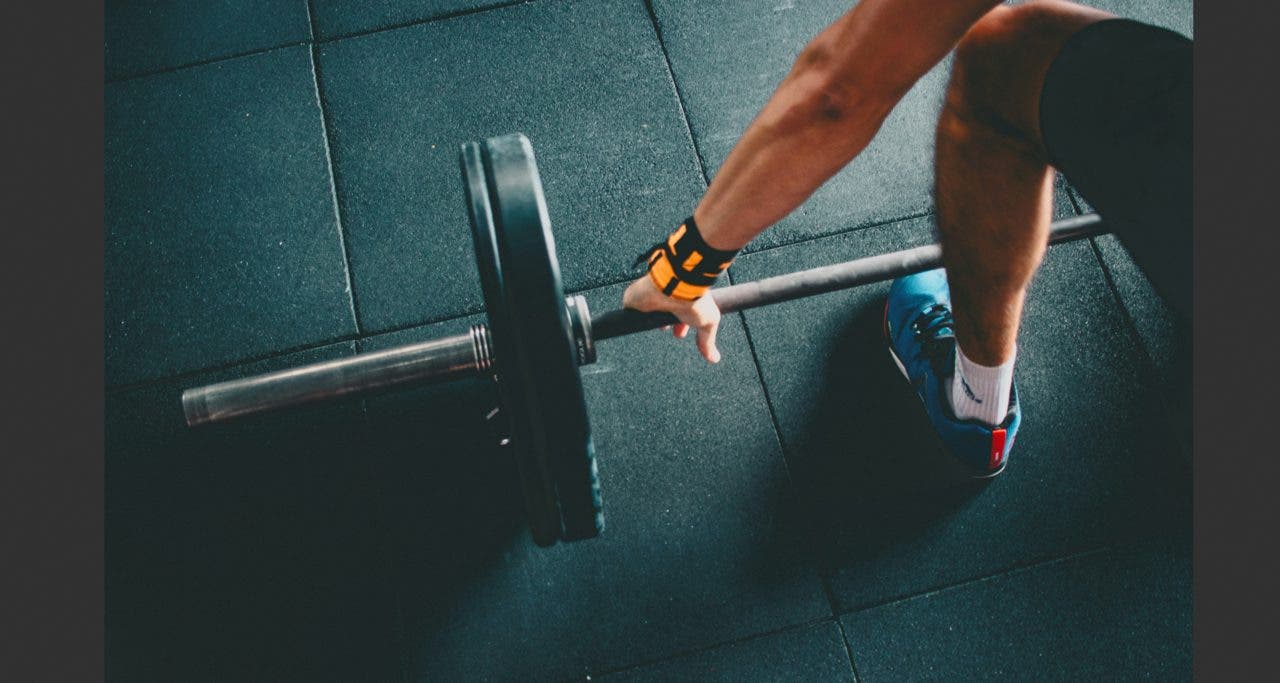
External hemorrhoid management for weightlifters
Hemorrhoids are swollen veins in the anal area, there are two main types: internal and external. The External hemorrhoids They are formed under the skin around the anus and are particularly susceptible to inflammation, causing significant pain when they are inflamed. This condition can be exacerbated by activities that increase abdominal pressure, such as weightlifting.
Impact of weightlifting on hemorrhoids
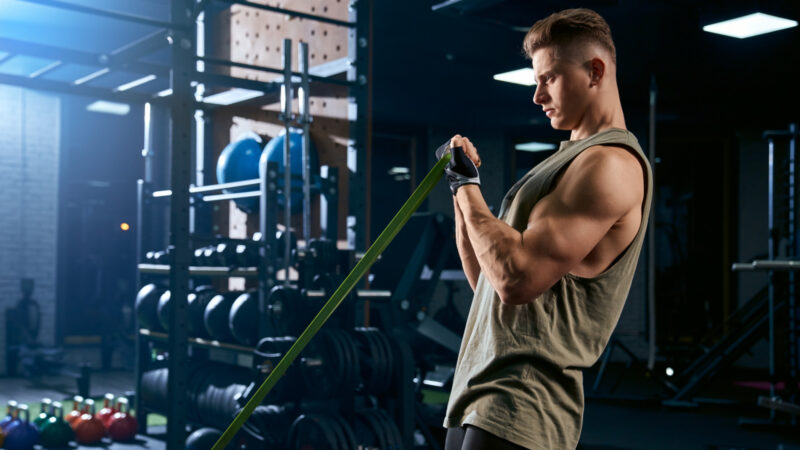
Weight lifting can increase intra -abdominal pressure and negatively affect those who suffer from external hemorrhoids. Excessive effort and pressure during intense elevations can force veins in the anal area, causing the appearance or aggravation of hemorrhoids. It is crucial that weightlists implement adequate techniques to reduce this risk.
Safe training strategies
Adopting adequate training strategies is essential for those who suffer from hemorrhoids or wish to prevent their development:
- Correct technique: Using adequate technique is essential to minimize pressure on sensitive areas.
- Adequate breathing: Controlling breathing during lifting can help avoid unnecessary increases in intra -abdominal pressure.
- Effective warming: A proper warming increases blood flow and prepares the body for exercise, which can help prevent hemorrhoids.
How to deflate external hemorrhoids
Diet and hydration are key in the management of external hemorrhoids:
- Diet rich in fiber: High fiber diet facilitates evacuation by softening feces, which decreases pressure during defecation and helps Disinflame external hemorrhoids.
- Adequate hydration: Staying hydrated is crucial to avoid constipation, a common cause of exacerbation of hemorrhoids.
- Regular exercise: Regular physical activity, such as walking or doing Kegel exercises, improves circulation in the pelvic area and can relieve symptoms.
Incorporating these habits not only helps handle hemorrhoids but also Relieve the unbearable pain of hemorrhoids when acute episodes are presented.
Conclusion
Weight lifting entails specific challenges for people with external hemorrhoids. However, with the implementation of adequate techniques and changes in lifestyle, it is possible to effectively handle this condition. It is essential to listen to the body and adjust the training routine according to personal needs to ensure that the benefits of exercise are used without compromising health.
Knowledge is crucial to avoid complications such as hemorrhoids in environments where weightlifting is frequent. Educating yourself and others about the necessary risks and precautions can transform the training experience, making it safer and more productive. Gymnasium coaches and staff must be equipped to advise on best practices, ensuring that athletes not only pursue performance but also long -term health.
Beyond relief and prevention of specific symptoms, it is vital for weightlifters to consider their integral health. Aligning fitness objectives with general well -being should be a priority, and attention to conditions such as hemorrhoids is part of this comprehensive approach. This commitment to integral health not only improves the quality of life but also enhances sports performance, allowing athletes to reach their maximum potential with less risk of injuries or complications.