 Admin
Admin 
He intermittent fasting has gone from being largely unknown to public opinion to being present in most conversations of those people who care about their health, want to control their weight and improve their physical performance and well-being.
Its popularity has grown in the heat of scientific studies, popularizers, athletes who incorporate it into their routine and, of course, social networks in which related content abounds. However, when we talk about intermittent fasting and physical trainingreasonable doubts arise: is it safe? Does it affect performance? Is it compatible with regular sports practice? Can I follow my usual training routines? Today we clear them.
What is intermittent fasting?
Surely you yourself have searched for information about the intermittent fasting on the internet to find out what exactly it is and if it brings real benefits. Well, as you know, this fast is not a diet in itself, but a pattern of temporal distribution of intakes.
It consists of alternating feeding periods with periods of voluntary fasting, taking into account the time slots of these periods and paying special attention to what is ingested while. The most common types of intermittent fasting are:
-
- Fasting 16:8 > is based on 16 hours of fasting and 8 for eating.
- Fasting 14:10 > with 14 hours of fasting and 10 for eating.
- Alternate fasting > alternate a day of total fasting followed by another day of normal intake.
- Fasting 5:2 > intake is drastically reduced to two days a week.
Current scientific evidence shows that intermittent fasting can be an effective tool for losing body fat and improving some metabolic markers, such as insulin sensitivity, especially in overweight people. However, there are also studies that indicate that its benefits are not clearly superior to those of a well-structured and supervised hypocaloric diet.
In healthy, active and normal weight people, the positive effects are not always conclusive, and their impact depends largely on the individual context.
Is it compatible with regular sports practice?
Yes, he intermittent fasting It is perfectly compatible with physical exercise, but with nuances.
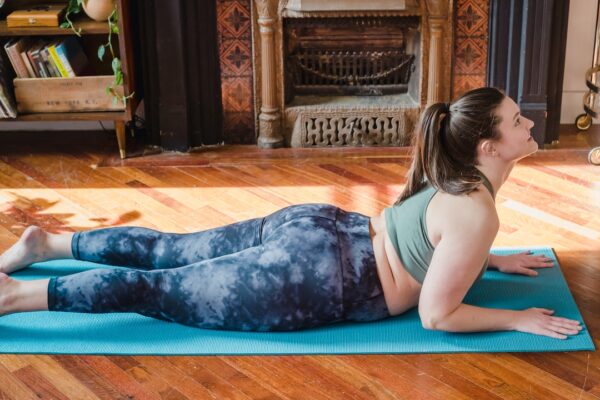
In low or moderate intensity training – such as practicing yoga, doing light cardio walking or cycling, following a routine of gentle toning exercises… – fasting does not usually represent a problem for accustomed people. However, in high-intensity disciplines, maximum strength or very demanding training at the glucogenic level, performance can be compromised if intake is not properly planned.
The scientific literature indicates that training on an empty stomach does not provide clear advantages in terms of fat loss compared to training fed, and that, in certain cases, it can increase the perception of fatigue or hinder recovery if the total daily energy is insufficient.
Tips for training during intermittent fasting
The key is in the personalization of fasting and training. There are no general rules for everyone, although there are these tips that you should keep in mind:
-
- Adjust the training schedule to the eating window, especially in strength sports.
- Prioritize adequate protein and carbohydrate intake after exercise to promote recovery and preserve muscle mass.
- Maintain proper hydration and pay attention to signs of dizziness, weakness or poor performance. If they appear persistently, it is better to conclude the training.
- Start by doing shorter training sessions that do not exceed 45 minutes until you know how your body reacts.
In short, training while practicing intermittent fasting is possiblebut it must be done with judgment, knowledge and, preferably, under professional supervision. That’s why our advice is that you put yourself in the hands of our personal trainer and nutritionist in Madrid.
They will be able to advise you in terms of sports and nutrition so that both complement each other and help you improve, feel better and achieve the proposed goals. If you have decided to try intermittent fasting and want to continue with your usual training, it is best to do so with the supervision of the team. Fitness & Coach who will accompany you throughout the entire process.