 Admin
Admin 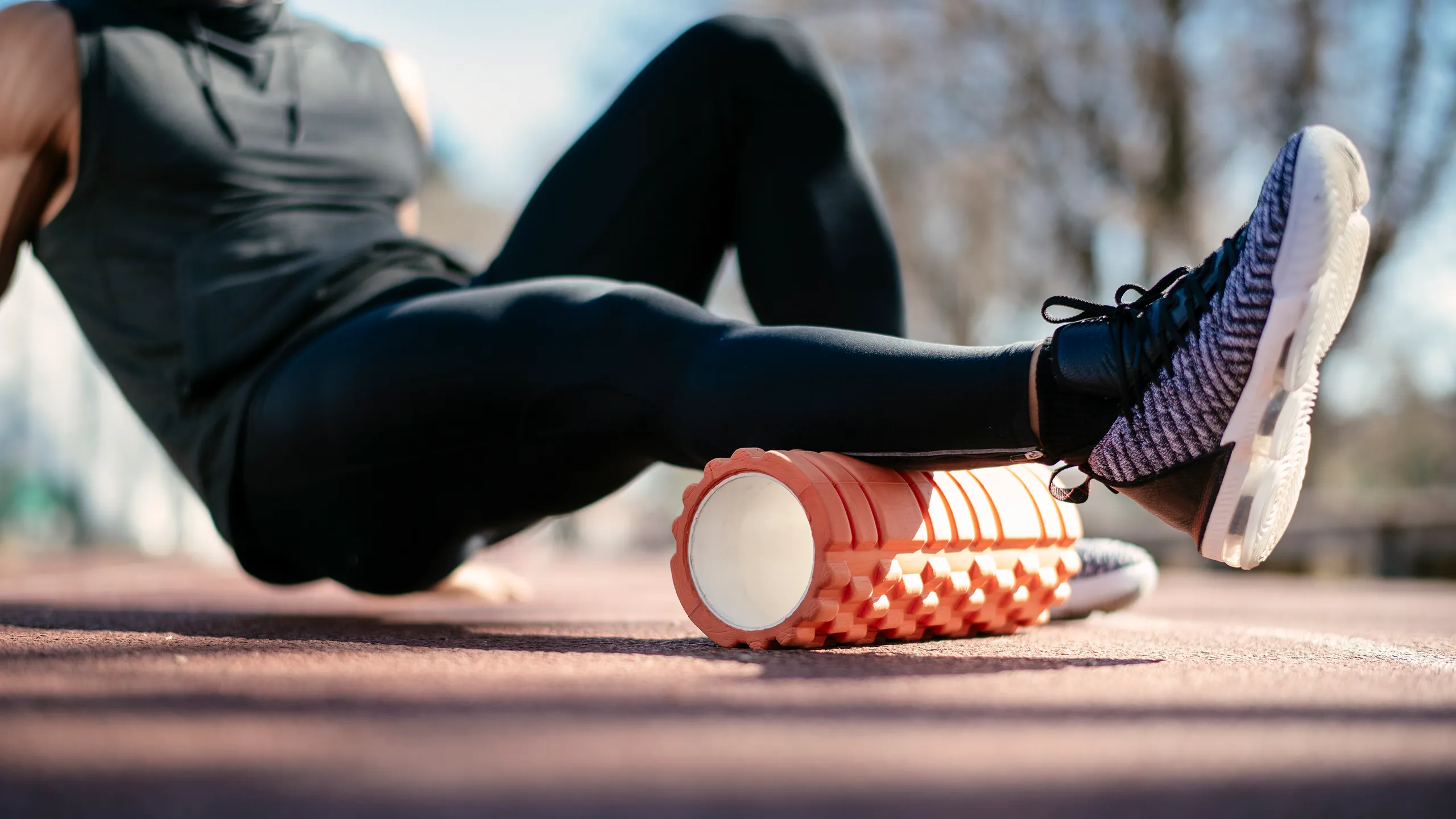
The use of foam roller It has become increasingly common among athletes, coaches and physical training fans. This foam roller is touted as a useful tool to speed up muscle recoveryreduce discomfort and improve performance.
But does it really deliver on what it promises? Or is it just another fad in the world of fitness?
In this article we explain what is foam rollerhow it acts on the body, and what the evidence says about its benefits in myofascial release.
What is a foam roller and what is it used for?
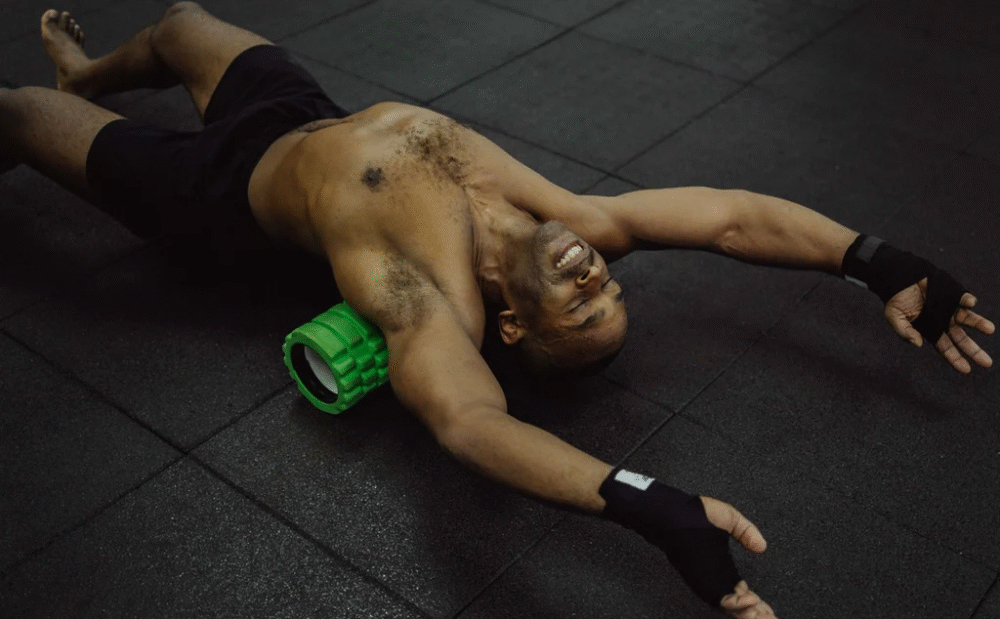
He foam roller It is a foam cylinder of different densities and sizes. It is used to make self-massage in muscles and fascia.
What is myofascial release?
It is a technique that seeks to release tension in the fascia. Fascia is a connective tissue that surrounds muscles.
When it becomes hard or inflamed, it can cause stiffness or pain. He foam roller Helps relax these areas through controlled pressure.
Main benefits of using a foam roller
The correct use of foam roller It can provide benefits if it is integrated into a constant routine.
Relieves post-workout soreness
Roller massage stimulates blood flow. This helps reduce muscle stiffness after an intense session.
It also reduces the feeling of heaviness and improves general mobility.
Promotes muscle recovery
He foam roller Activates circulation, which accelerates the elimination of metabolic waste. This can improve the feeling of recovery.
Although it does not replace rest or nutrition, it can be a valuable complement.
Improves flexibility
Using the roller before training can prepare your muscles for movement. It also promotes joint range and coordination.
Help with self-massage
An important advantage is that you can apply it yourself. This makes it an accessible and practical tool.
It allows you to reach areas such as quadriceps, glutes, calves and lower back with ease.
When to use the foam roller?
The ideal moment depends on the objective. You can use it before or after training depending on what you are looking for.
Before training
Use it as part of the warm-up. Helps activate muscles and release accumulated tension.
- Apply slow movements for 30 to 60 seconds per muscle group
- Avoid pressing areas with acute pain
After training
It is useful for post-workout pain. Promotes muscle rest and prevents stiffness the next day.
- Use the roller gently and steadily
- Focus on the muscles worked in the session
On rest days
You can incorporate the foam roller as part of a mobility routine or self-massage. This keeps the fabrics in good condition.
How to use the foam roller correctly
Incorrect technique can cause more discomfort than benefit. Here we leave you some recommendations for safe use.
Choose the right roller
There are soft, medium and hard rollers. If you are a beginner, start with one of medium density.
Avoid models with hard peaks if you have muscle sensitivity.
Control the pressure
It’s not about applying more force. The movement should be slow and tolerable, without generating intense pain.
Listen to your body. He self-massage It should release tension, not cause further discomfort.
Breathe and relax
Maintain a steady breathing as you roll over the muscle. Avoid tensing your body or holding your breath.
This facilitates the myofascial release and improves the massage effect.
Do not use it on bony areas
The roller is designed for soft tissues. Avoid applying direct pressure to joints or bones.
What does the scientific evidence say?
Numerous studies have analyzed the effects of foam roller about the muscle recovery.
Positive results
It has been shown to improve the perception of recovery and decrease the post-workout pain. It can also increase joint mobility.
In combination with stretching, it enhances the effect on flexibility.
Limitations
He foam roller does not generate significant improvements in strength or performance. Nor does it replace physiotherapy treatments when there are injuries.
It should be understood as a complement to a broader training and body care strategy.
Examples of foam roller exercises
Here we leave you a basic routine to start using this tool in your daily life.
Quadriceps
- Place the roller under your thighs
- Rest your forearms on the floor
- Roll from hip to knee for 30 seconds
Glutes
- Sit on the roller
- Tilt your body slightly to one side
- Roll slowly on your glutes for 30 seconds
High back
- Place the roller under the shoulder blades
- Cross your arms over your chest
- Raise your hips and slowly roll up and down
Repeat each movement 2 times per side if necessary. Maintain constant breathing throughout the exercise.
Who should avoid its use?
Although he foam roller It is safe for most, there are situations where it is not recommended.
- People with recent fractures or acute inflammation
- People with circulatory problems without medical supervision
- Pregnant women in advanced stages (consult in advance)
If you have any questions, it is best to talk to a physical therapist before incorporating it into your routine.
He foam roller It is a useful, economical and versatile tool to complement the muscle recovery. Offers proven benefits in myofascial releasethe relief of post-workout pain and the self-massage.
It does not replace other strategies such as rest, hydration or proper nutrition. But it can improve your well-being if you use it with consistency and good technique.
Listen to your body, integrate the roller gradually, and you will notice the difference in mobility and comfort when training.
Do you already have your roller ready? Give it a try, and make muscle care part of your daily routine.