
 Admin
Admin 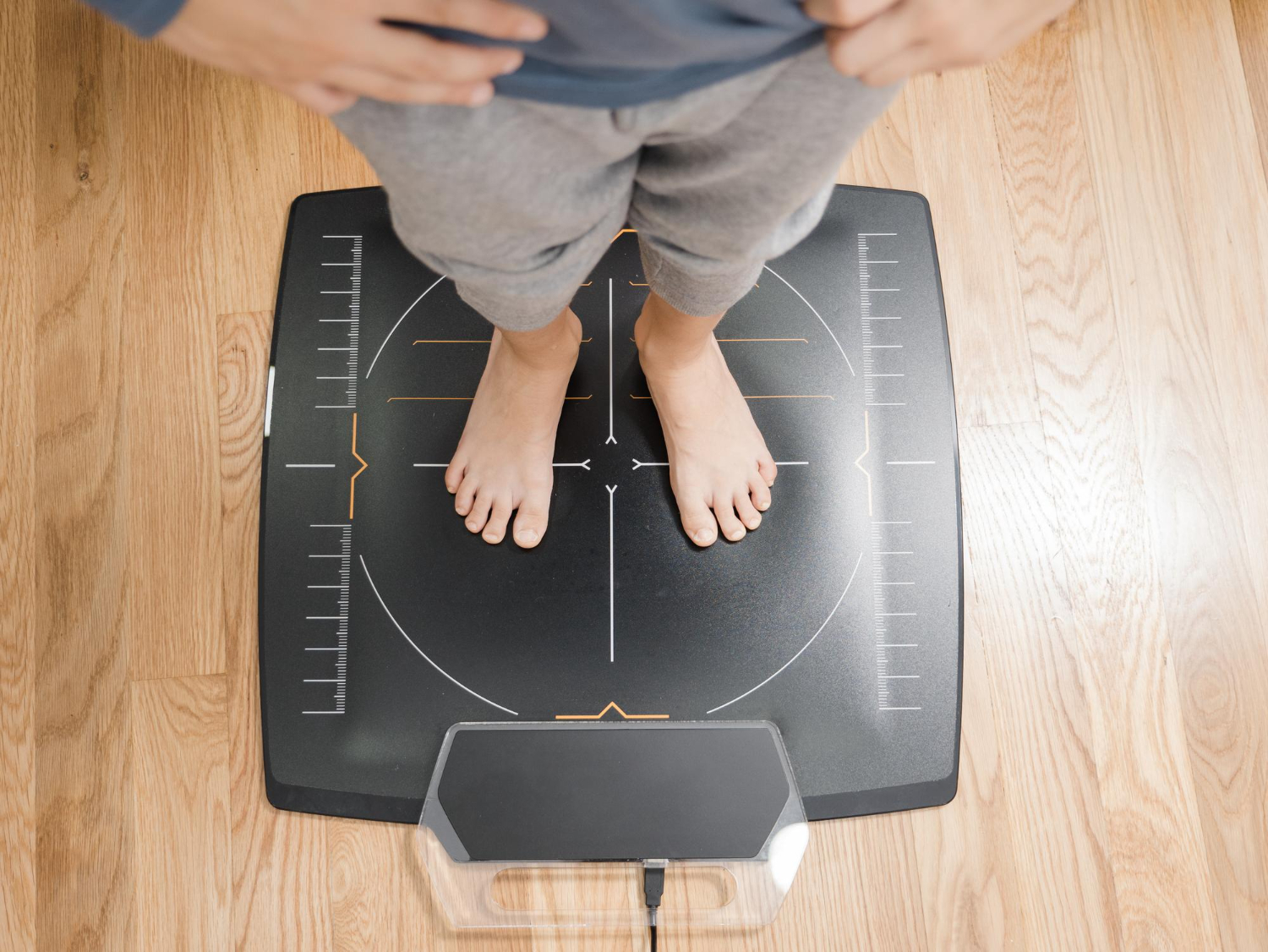
All Physical Training Program You must meet two requirements: to be perfectly adapted to the physical and mental condition of each person and be oriented to specific objectives. Therefore, when a person hires our service Physical trainer in Madridthe first step we perform is an initial evaluation.
In this phase, we collect all the information related to your physical state and your clinical history to customize training based on the desired results. And for this, we conducted an interview that allows us to prepare a personal record, a Nutritional status evaluation to analyze the energy balance and, finally, an evaluation of the body composition for which we use a Bioimpedance scale. Do you know what this device is? Well, then we tell you, in addition to explaining the differences between muscle, fat and bone mass and the importance of knowing them when a training program is being followed.
What is a biimpedance scale?
Talk about one Bioimpedance scale It is talking about a device that has revolutionized the way we understand our body. This scale not only tells you how much weights, but also provides you with a detailed vision of your body composition, including muscle mass, fat and bone mass.
But what exactly is a biimpedance scale? It is a device that uses a low intensity electric current to measure your body’s resistance to the passage of that current. You may not know that there are different types of body tissues that offer different levels of electrical resistance. For example, fat has a higher resistance than muscle, while bones have even lower resistance. When measuring this resistance, the scale can accurately estimate the amount of each type of tissue present in your body differentiating what is bone, fat and muscle, crucial data when a training program is being designed with specific objectives.
In this way, exercise routines can be specified accompanied by a diet depending on whether the objective is to lose weight and volume (fat) or gain weight but not volume (muscle), to give examples.
Differences between muscle mass, fat and bone mass.
Now, let’s talk about the importance of measuring separately Muscle mass, fat and bone mass. Understanding these three components is crucial to improve your health:
1.- Muscle mass:
Muscle mass plays a fundamental role in your metabolism, strength and health in general. Measuring your muscle mass allows you to monitor your profits or muscle losses over time. This is essential for those who seek to increase their strength and muscle definition, as well as to prevent age -related muscle loss.
2.- Fat mass:
Knowing how much body fat you have is essential to evaluate your metabolic health and your risk of chronic diseases such as diabetes and cardiovascular diseases. Maintain a Healthy body fat percentage It is essential for your general well -being. The Bioimpedance scale It provides you with a precise measure of your fat mass, which allows you to adjust your diet and your exercise program as necessary.
3.- Bone mass:
Bone health is crucial, especially as we age. Osteoporosis and other bone diseases can be serious and weakening. Measuring your bone mass helps you evaluate your current bone health and take preventive measures if necessary. In addition, regular monitoring of bone mass can help detect early problems and take measures to maintain bone density.
In short, one Bioimpedance scale It is a fundamental tool for anyone interested in improving their health and their physical condition. By providing precise measurements of muscle mass, fat mass and bone mass, it helps you to have a complete understanding of your body composition and make informed decisions about your diet, exercise and lifestyle in general. Remember to always consult with a health professional or a personal coach like those who await you in Fitness & Coach before starting an exercise routine.